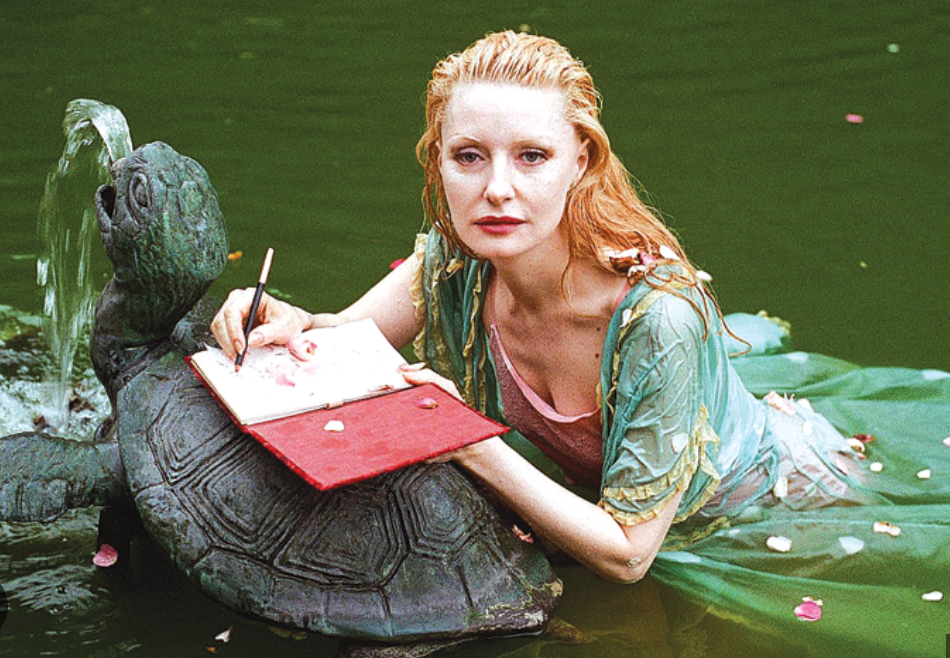
I wrote a brutally honest review of a new biography of Shere Hite, who revealed that most women don’t orgasm from intercourse alone.
We don't have a word for the combination of misogyny and antisemitism. So I coined one.
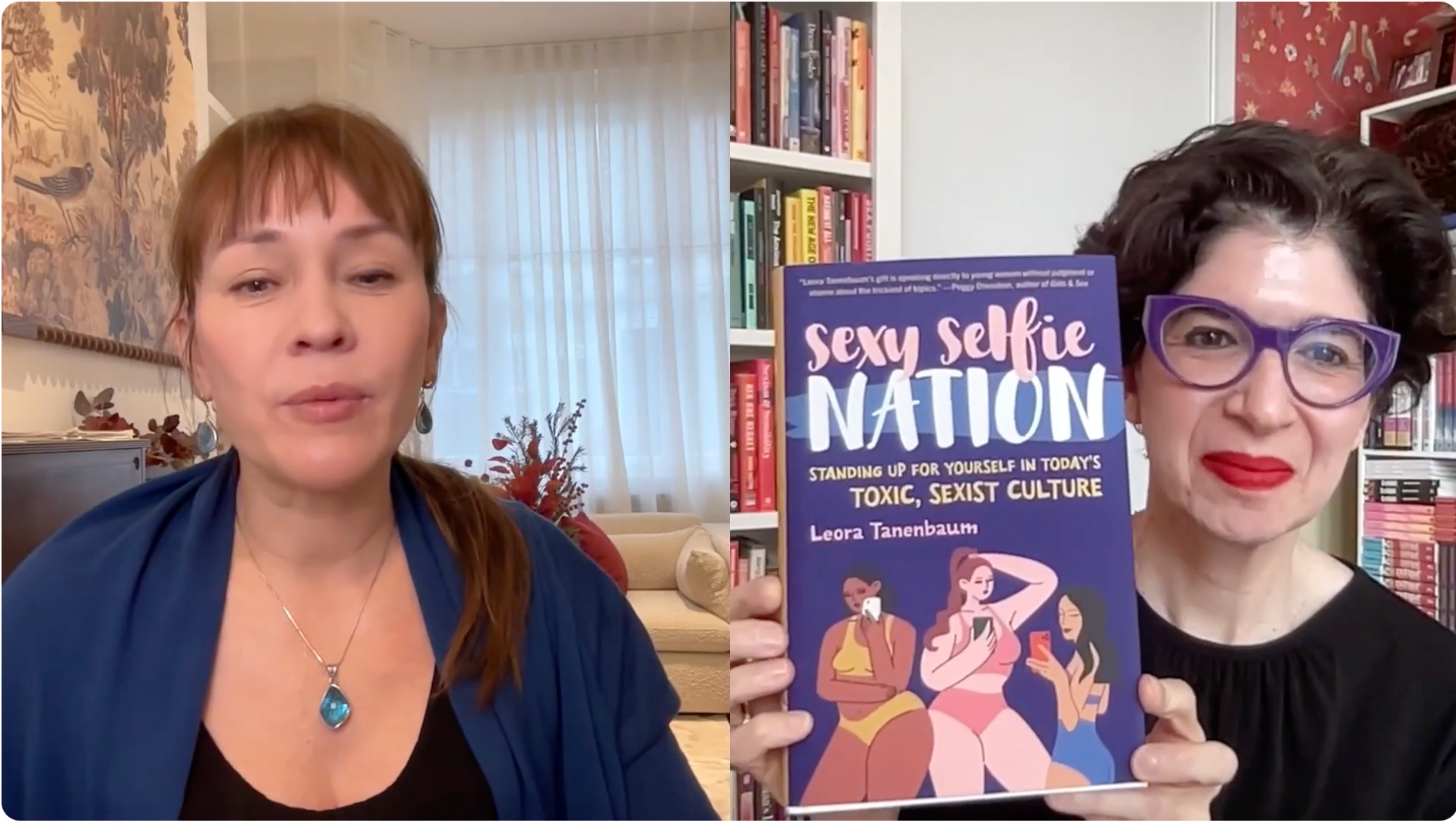
"Sexy Selfie Nation" was nominated for Mindvalley Book of the Year Award. I discuss my findings with Mindvalley's Kristina Mänd-Lakhiani.
We dig into how US culture polices girls’ bodies and pushes young people to see themselves as sexual objects.
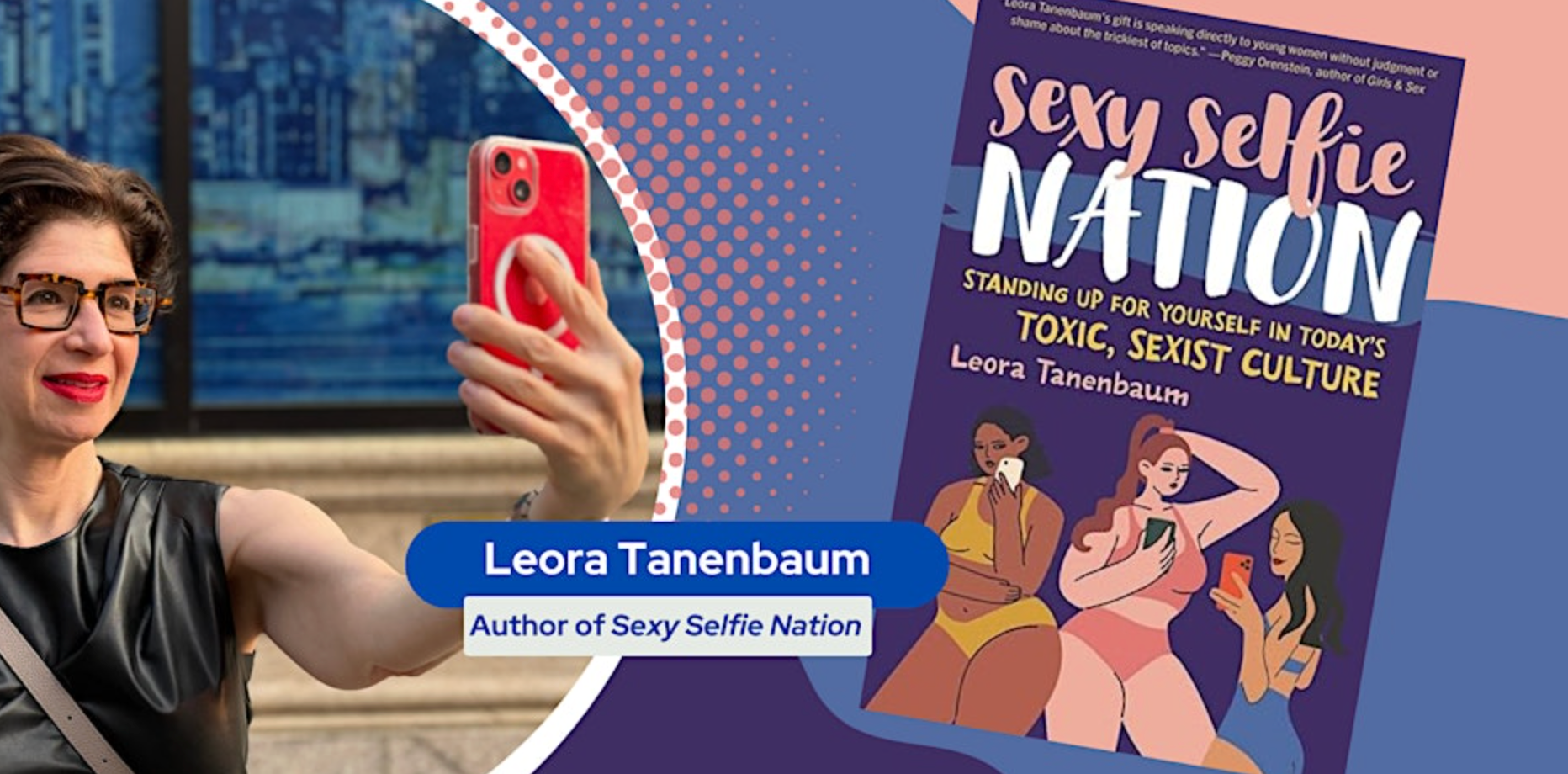
I share my research and tips for parents, caregivers, and educators on how to address the body image issues of the young women in their lives.

My top picks in 2025 focus on overcoming discrimination and bigotry.
I discuss how slut-shaming has evolved in the digital age.
I discuss the shocking realities young people face today and how parents and teachers can support them.
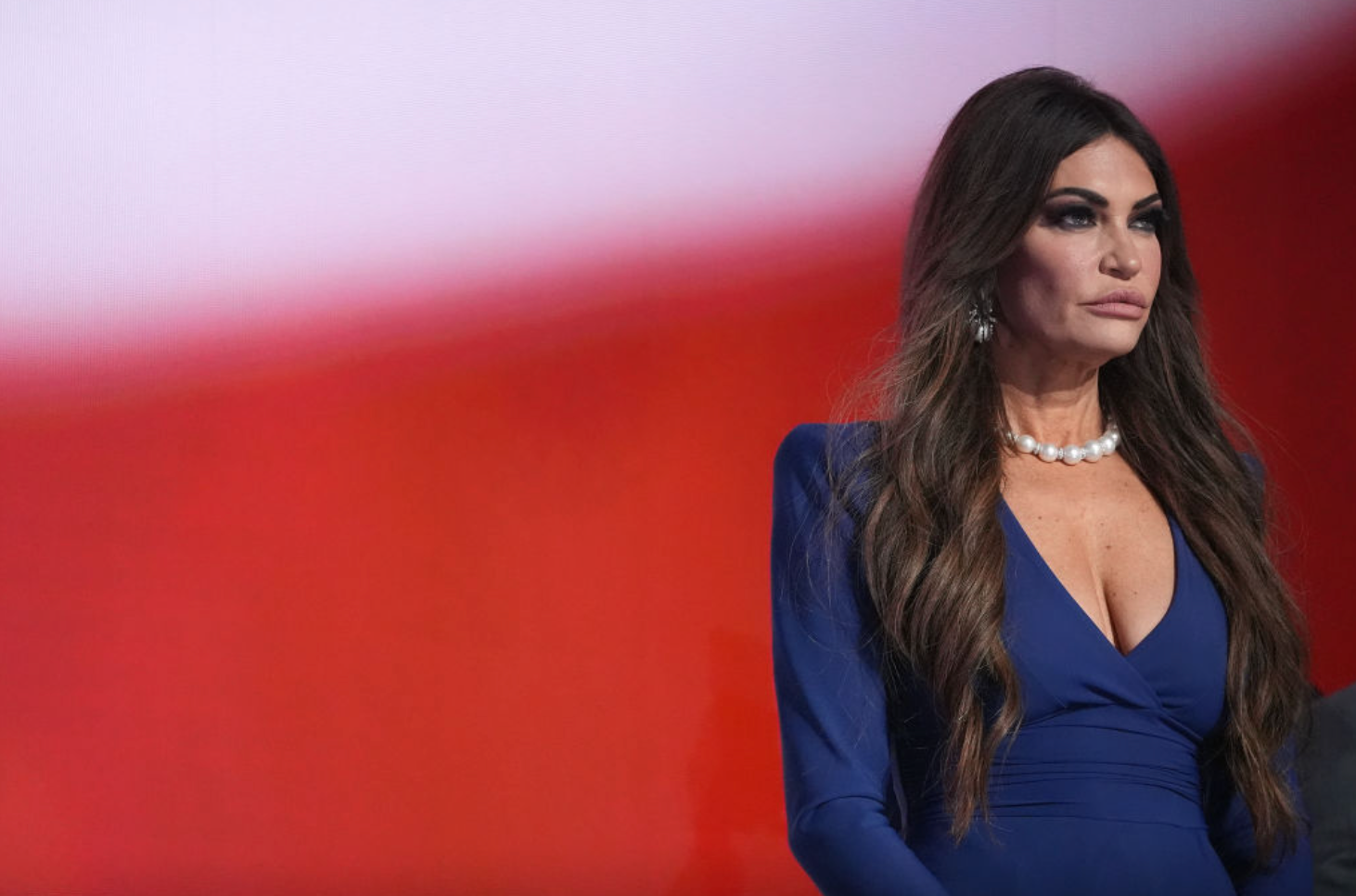
My research on young women’s clothing choices shows that the political right and left are aligned on wearing sexy outfits, but not on what “sexy” means.
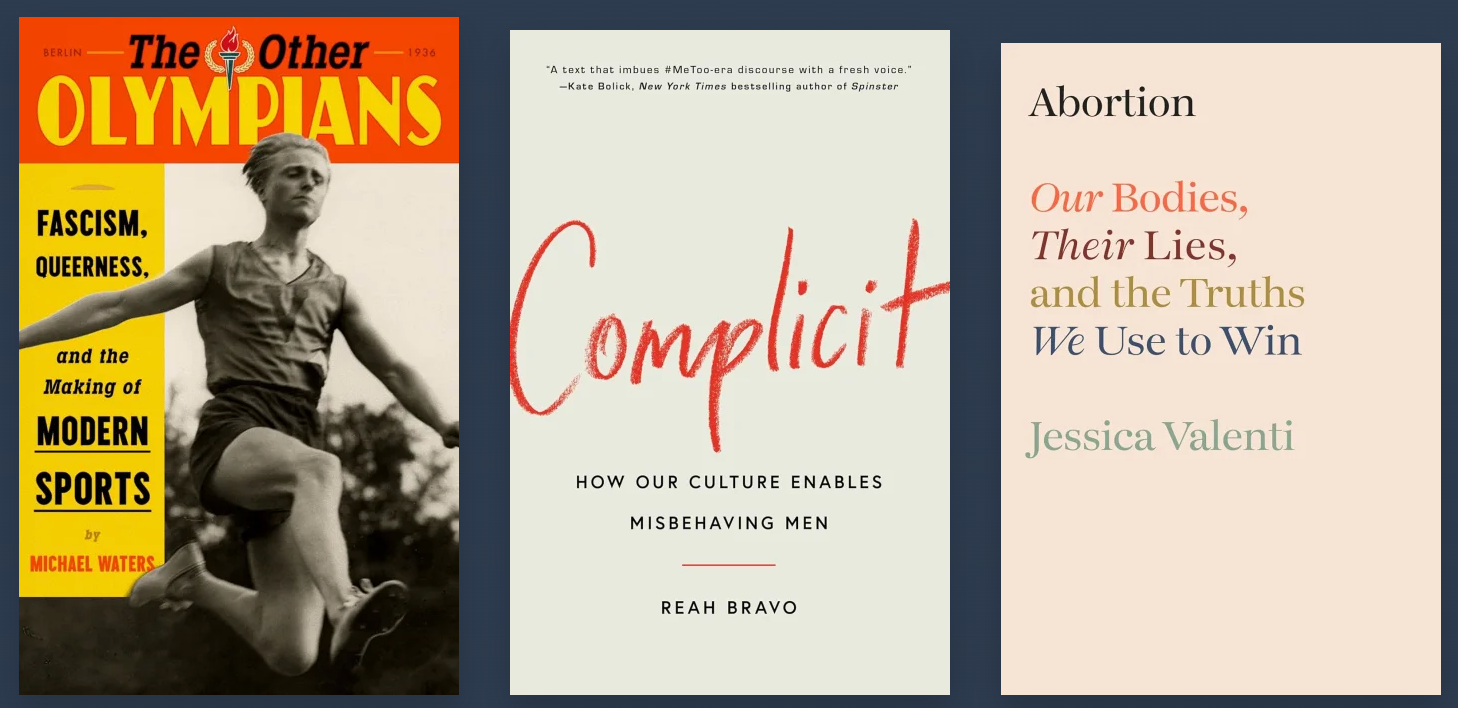
My top book picks this year focus on bodily autonomy.

In this podcast, I share my thoughts on gendered school dress codes and how they sexualize girls against their consent.
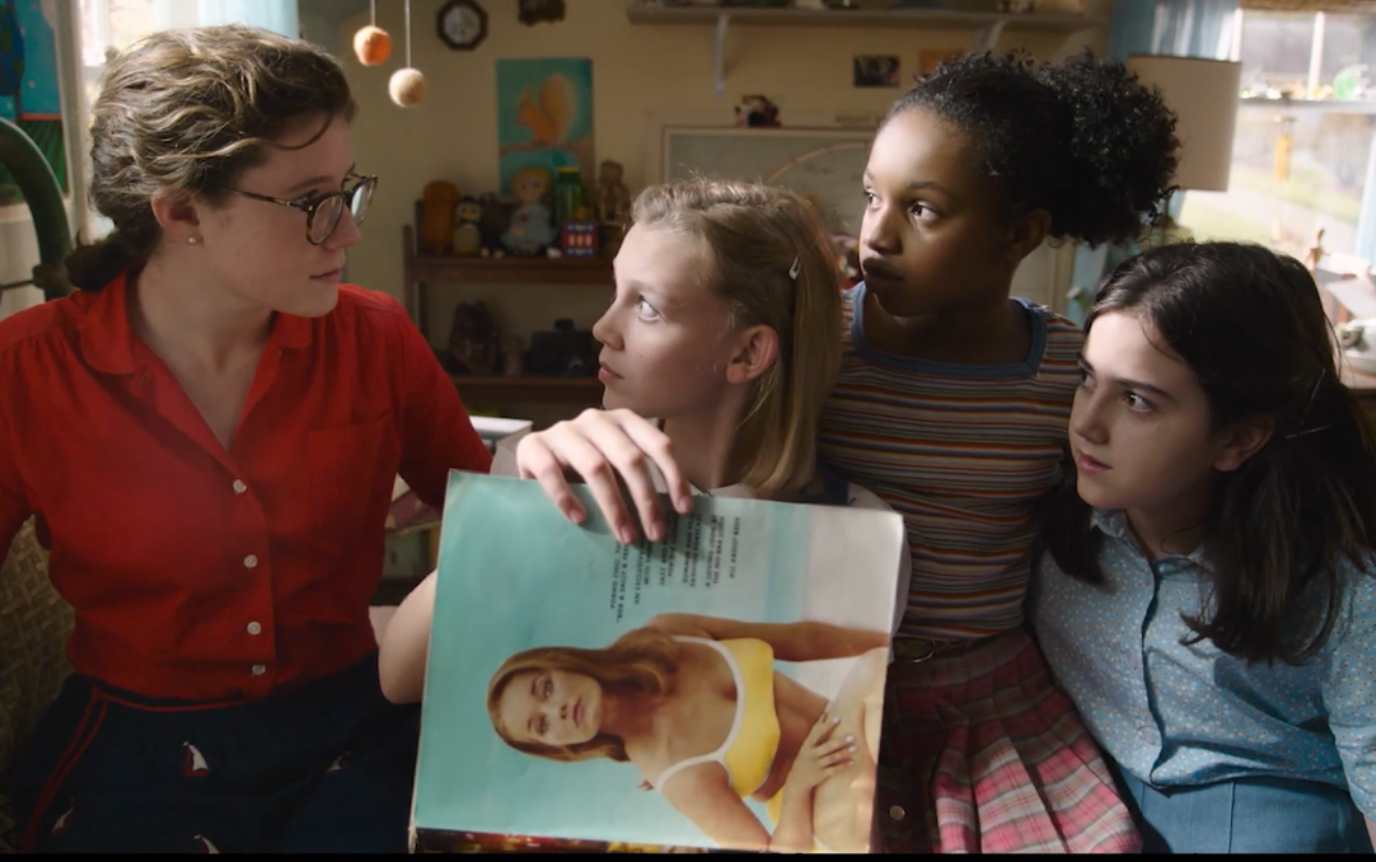
Girls in 1970—they’re just like girls today! But with one enormous difference.
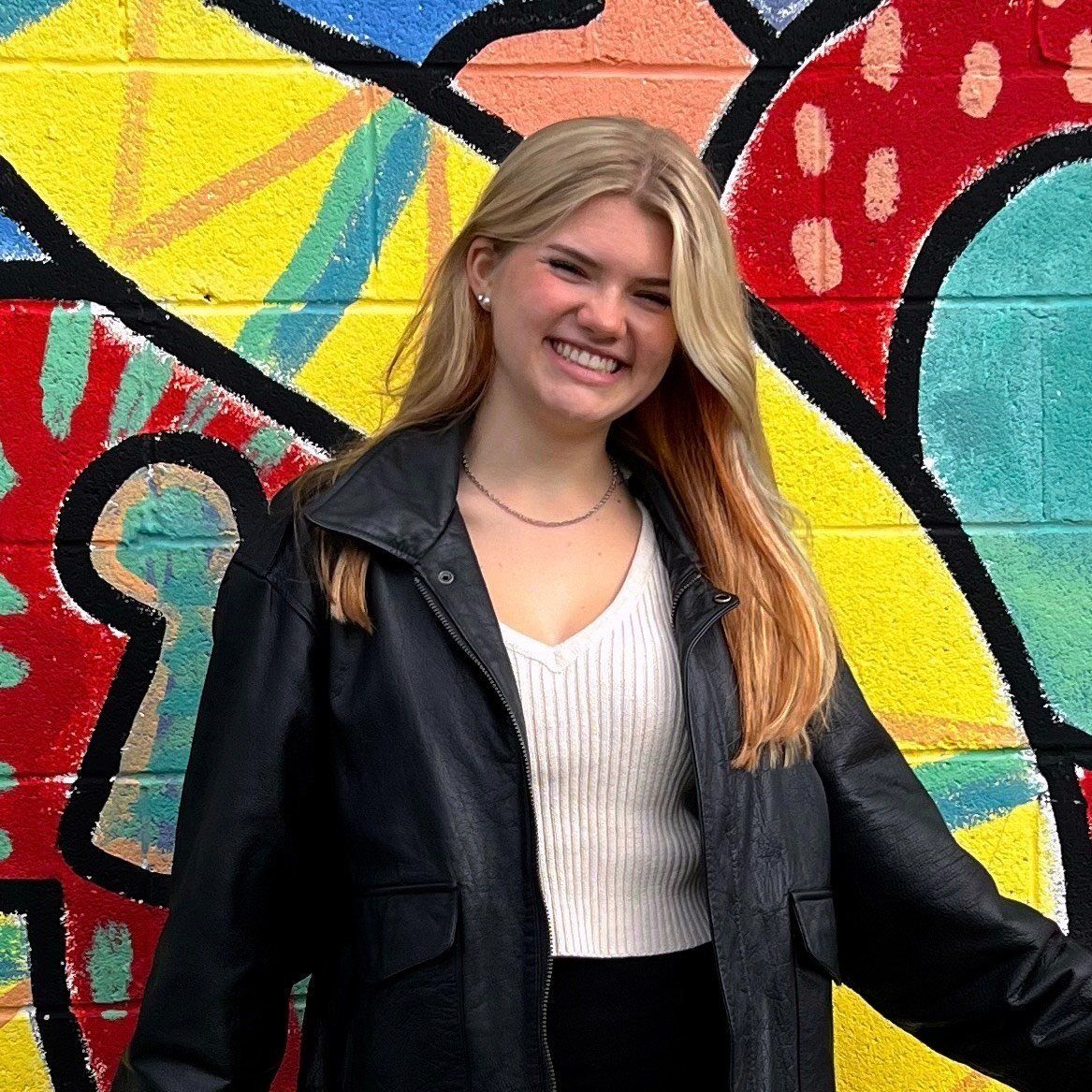
Slut-shaming dress code regulations are galvanizing a generation of activists like Riley O’Keefe.
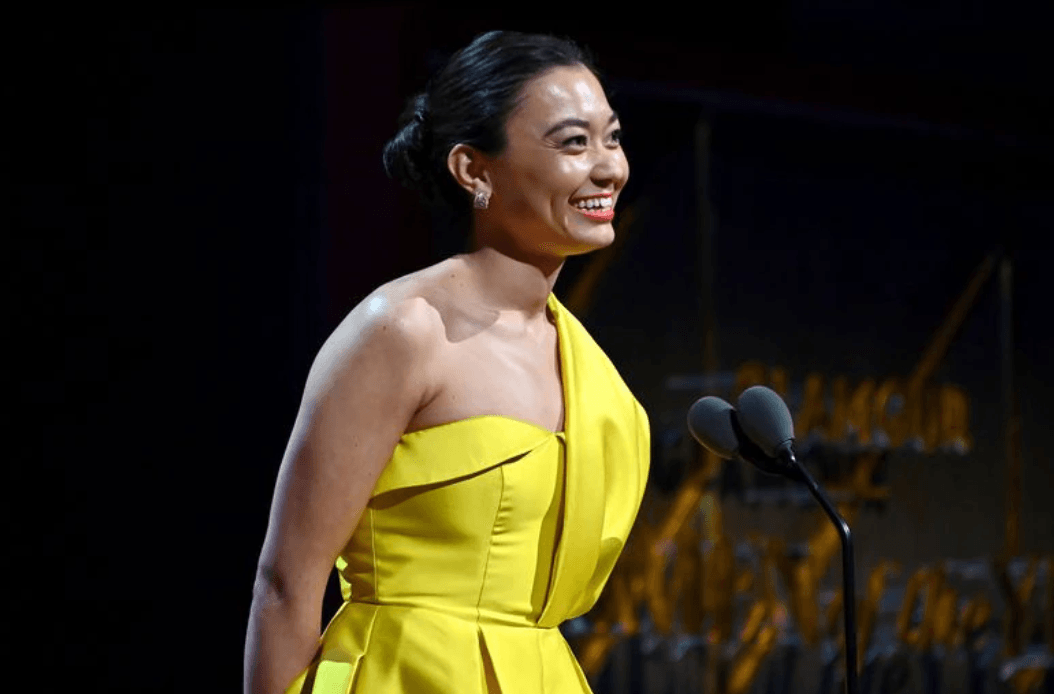
Women, beware of having a drink. If you are assaulted, the law will not protect you.

Remember the Florida high school that doctored girls’ yearbook photos by covering their chests without their consent? Here’s an update.
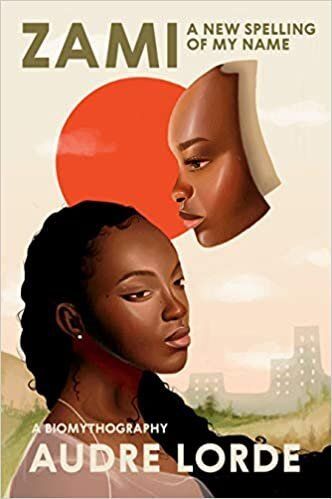
I was asked by BookDNA.com to select five of my favorite books on being a young woman in the US. The works I recommend are aching, powerful, and unforgettable.
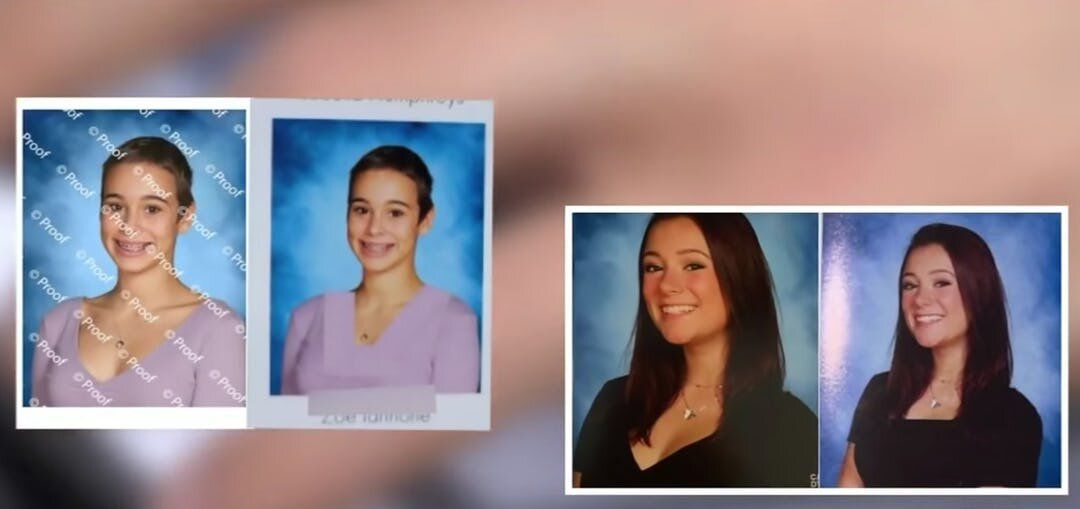
Strict, gendered dress codes do not reduce sexual harassment and assault against girls and young women. Instead, let students have autonomy over their appearance.
Book collections are my pornography. I'm not interested in individual titles—anyone can pretend they're reading Zadie Smith. What makes my pulse race is the ways in which people arrange their books.
Girls and women are always judged for choosing comfort—but what "comfort" means, even now, is not necessarily what you think.
Going along with slut-shaming often is the coping mechanism of choice.
Thank you to Patricia Dunn and Alexandra Soiseth for inviting me to participate in the “My Writing Process” blog tour. For this venture, writers reveal what they’re working on and why and how they write. But first, I’d like to say a few words about the women who pulled me into this thing. I met Patricia approximately seven years ago when I interviewed feminist women of faith for my book Taking Back God: American Women Rising Up for Religious Equality . Pat was then the managing editor of the website muslimwakeup.com. We instantly became friends, and we remain friends despite the fact that she has strong-armed me into joining twenty-first century digital culture. Pat is the author of a thoroughly enjoyable young adult novel, Rebels By Accident, about a teenage Arab-American girl who gets caught up in the Arab Spring in Cairo. Alexandra Soiseth is the assistant director of the MFA writing program at Sarah Lawrence and author of Choosing You: Deciding to Have a Baby On My Own. She’s working on a young adult series about a girl who travels back in time to 1589 Scotland, when midwives and other women healers were burned as witches. I am happy to participate in this blog tour for two reasons. One, I’m curious to know how other writers create their work, and I’m frequently asked about my own methodology, so this is an excellent opportunity to demystify the process of writing. Two, this blog tour enables writers to support one another—always a good thing. 1. What are you working on? I completed the manuscript of my newest book, I Am Not a Slut: Slut-Shaming in the Age of the Internet, in the fall of 2013. I hadn’t touched it in many months, but last week I was summoned by my editor to correct some errors in my endnotes. HarperCollins will publish the book in February 2015. Yes, that’s right: from the time I submitted my manuscript until the pub date, approximately 16 months will pass. But that’s fine with me—which is why I am loyal to traditional publishing. I appreciate that the traditional book publishing industry is meticulous about line editing, copyediting, proofreading, securing permissions, and creating an index—not to mention designing an appealing cover, crafting a promotion strategy, and making sure the endnotes are air-tight. Right after I completed the manuscript, I began working full-time as a senior writer and editor in the national headquarters of the Planned Parenthood Federation of America, as well as for Planned Parenthood Action Fund, the advocacy and political arm of the organization. In this position, I ghost-write op-ed articles, speeches, scripts, and other materials to advance the cause of reproductive rights and to educate folks about women’s health care. 2. How does your work differ from others of its genre? In my book writing, I strive to recreate the dynamic of a women’s liberation consciousness-raising group. I relate the personal experiences of the girls and women who share their stories with me so that readers come to recognize that the personal is political. All too often, individuals believe that their own experience of oppression or discomfort is unique, and therefore they think they must bear it alone. I prod readers to realize that the many situations girls and women experience as painful or disturbing—from being the target of slut-shaming to being excluded in one’s faith community to feeling pressured to wear crippling shoes for the sake of appearing sexy or pretty—are actually the products of systemic sexism. I also point out how racism and classism are mapped onto the grid of systemic discrimination. 3. Why do you write what you do? For me, writing is thinking. I am driven to write by the desire to figure out what I think. Even when I’ve completed a piece of writing, I’m still always rewriting it, even if only in my head. 4. How does your writing process work? I spend the bulk of my time finding people to interview, interviewing them (in person, over the phone, or via skype), transcribing the interviews, reading academic journal articles and other scholarly work, typing up my notes, and then going back and doing more interviews. I end up with hundreds of pages of transcripts and notes. I print them out and mark them up according to theme. Then I cut and paste the material to create new documents organized thematically. I transcribe interviews the old-fashioned way: I listen to my tapes (yes, I use old-fashioned micro-cassettes with an old-fashioned tape recorder, which I connect to my phone for phone interviews), and I type what I hear. If I had a dollar every time someone tried to persuade me to use computer software for transcription…. I don’t trust a computer to make sense of human speech; I also find that transcribing an interview is a second chance to get inside the head of the interviewee, a process that helps me understand her experience. Finally, I find it disrespectful to take something so precious—a recording of the words spoken by someone who trusts me to guard her intimate, personal story—and feed it to a computer. For me, the act of writing in the narrow sense—sitting at a keyboard and crafting sentences and paragraphs and chapters—occupies a very small proportion of my time. After I’ve sorted through the transcripts and research, and I’ve created my thematic documents, I know what I want to say and I know how I want to say it. At that point, the words glide out. I’m thrilled to announce that Shira Tarrant, PhD, will be blogging next week. Shira is an unconventional feminist redefining gender justice. Her books, including Men and Feminism; Fashion Talks; and Men Speak Out: Views on Gender, Sex, and Power, highlight contemporary sexual politics. She is currently at work on Gender, Sex, and Politics: In the Streets and Between the Sheets in the 21st Century (Routledge) and The Pornography Industry: What Everyone Needs to Know (Oxford University Press). Shira’s commentary is featured on global media such as AlterNet, In These Times, Canadian Broadcast Corporation, NBC, Forbes, Chicago Tribune, Baltimore Sun, Denver Post, Sydney Morning Herald, and on radio stations in Los Angeles, New York, Berkeley, Houston, and elsewhere around the country. Shira is an associate professor in the Women’s, Gender, and Sexuality Studies Department at California State University, Long Beach. Read more at http://shiratarrant.com. Shira was very supportive of me wh e n I worked on I Am Not a Slut. I am delighted to participate in this blog tour with her. August 27, 2014
The Huffington Post, April 14, 2008 In an effort to improve Muslim-Jewish relations in New York City, the city's most prominent mosque and the flagship seminary of the Jewish Conservative movement have reached out to one another. Last month, Imam Shamsi Ali of the Islamic Cultural Center, located on Manhattan's Upper East Side, gave a sermon after minha (afternoon prayer) at the Jewish Theological Seminary. Returning the favor, Rabbi Burton Visotzky, a JTS professor of Interreligious Studies, spoke at the ICC (also known as the 96th Street Mosque) last Friday after jum'a (Friday noon prayer). This interfaith dialogue is vitally important because Muslim-Jewish relations are at an all-time low. After the 9/11 attacks, the then-imam of the 96th Street Mosque, Muhammad Al-Gamei'a, stated that the Jews were responsible for the destruction of the World Trade Center and were guilty of disseminating "heresy, homosexuality, alcoholism and drugs." In recent months, the infamous email about Barack Obama -- he's a radical Muslim! He studied in madrasah! His middle name is Hussein! -- has been taken very seriously by many American Jews. It's time for both faith communities to push aside the hazerai (nonsense) and build a real relationship. After spending the morning chopping vegetables and marinading chicken for Shabbat dinner, I joined the group of JTS professors and administrators who went with Dr. Rabbi Visotzky to lend support. I wore loose-fitting pants and sweater, brought a scarf to cover my hair and neck, and remembered to wear sandals that would be easy to kick off. Within seconds of our arrival at the mosque, a man sternly said to one of the women in our contingent, "Sister, cover your neck!" She had covered every one of her hairs with a dark, opaque scarf but unwittingly had left her neck completely exposed. One of the other women quickly tossed her an extra scarf. Disaster averted. I felt as if I were in the ultra-Orthdox Mea She'arim neighborhood in Jerusalem, where posters on every street warn girls and women to dress modestly in long skirts and long sleeves. You wouldn't want to be caught there in a tank top. In fact, the entire experience for me was a slap-in-the-face signal that devout Muslims and Jews are not altogether that different, particularly in the worship department. Just as when I attend my own Orthodox synagogue, located a half-mile away from the mosque, I was separated from the men. After we placed our shoes in cubbyholes, we women filed up the staircase to the cramped balcony above while the men found places in the majestic sanctuary downstairs. There appeared to be nearly a thousand men and perhaps sixty women in attendance for the congregational prayer. Imam Ali delivered his khutba (sermon). He told the worshippers that Muslims need to reach out and live harmoniously with other people because all people are servants of Allah. If someone chooses another path, he said, Muslims have a responsibility to show them the right way. However, one may not force others to follow the Islamic way. "We must show respect and dignity to all children of Adam," he said. "Everyone is dignified by Allah." It is human nature, he continued, that different people have different opinions, and Allah knows this. "But this difference of opinions does not make us hate each other. This diversity is seen in Islam as good," Imam Ali declared, and all of us must "make an effort to get to know one another." Although I tried, I could not see the imam at all during his sermon. He spoke from a platform that was obscured from all but a few choice seats in the women's section. So I ran my gaze across the women listening to him. Their hijabs reminded me of the tichels common in Borough Park and other Hasidic neighborhoods. I craned my head to check out the men below. The several men from JTS blended in with the crowd, the kippot on their heads closely resembling the kufis. After the sermon, it was time to pray. The bowing and prostrating was not altogether different from the shuckling (rhythmic swaying) commonly done during Jewish prayer. Then it was the rabbi's turn. Dr. Rabbi Visotzky thanked the imam for inviting him to speak in this "beautiful house of God." He recalled when Jews and Muslims lived together relatively harmoniously in medieval Muslim rule and then as co-minorities under Christian rule. He lamented that the relationship today has deteriorated and called on both communities to come together as New Yorkers to help people in need. He announced that JTS and the mosque have agreed to a joint social action program that will include students from both institutions volunteering side by side at a Manhattan soup kitchen. Imam Ali presented the rabbi with a Qur'an, and everyone was all smiles. One woman came up to me and said shyly, "My boss is Jewish." What to say in response? Stumped, I smiled back. In her awkward way, she was trying to make a connection, and I wanted to connect back. Several other worshippers made a point of walking up to the JTS contingent to say welcome and how glad they were that their mosque was going to work together with the Jewish community. A few asked how they could get information to become personally involved. I wished the JTS folks a "good Shabbos," then went home to get the vegetables and chicken ready for dinner. # Copyright © 2008 by Leora Tanenbaum. All rights reserved. If you want to reprint this essay, email your request to leora@takingbackgod.com.
US News & World Report, January 10, 2018
Why do so many women agree to unwanted sex?
Columbia Journalism School blog, December 7, 2017 Years before pussyhats and #MeToo, Helen Benedict explored the ways in which many women experience sexual violence—only to be blamed for their own victimization. An author of seven novels and five works of nonfiction, and a journalism professor at Columbia University, Benedict has focused for the past decade on the women who served in the Iraq War. Her 2009 nonfiction book The Lonely Soldier described the experiences of women fighting in the war and the astonishing abuse they endured by their male fellow soldiers. The Lonely Soldier inspired the Academy Award-nominated documentary The Invisible Warand instigated a landmark lawsuit against the Pentagon on behalf of victims of military sexual assault. Benedict developed the book into a play, The Lonely Soldier Monologues, and continues to shed light on the experiences of women and war through two novels—Sand Queen, a Publishers Weekly “Best Contemporary War Novel,” and now Wolf Season, just out from Bellevue Literary Press. Benedict is currently writing a third book to create a trilogy of novels about the Iraq War. Wolf Season picks up where Sand Queen leaves off, following Naema, who had been a medical student from Baghdad in the first novel, experiencing displacement and the torture of her father, and is now a widowed single mother and physician at a Veterans Affairs clinic in upstate New York. When a hurricane hits their small town, Naema is injured, and her life becomes entwined with a veteran who has survived gang-rape by her fellow soldiers and whose husband was killed in Iraq. The wife of a Marine, who rapes and abuses her while home on leave and then is killed when he returns to Iraq, is also central in this story. The three women are torn by their experiences with war, and their children are likewise wounded in literal and figurative ways. Wolf Season reveals that the traumas of war, particularly for women, never dissipate. In this interview, Benedict shares her motivations, methodologies, and thoughts on current politics. What initially motivated you to research women in the Iraq War? All my writing life, I have examined and exposed the way women are treated by the world, so when the United States invaded Iraq in 2003, I became determined to do the same in the context of war. This grew even more urgent when I learned that more American women were serving and dying in Iraq than in any war since World War Two, yet some 90 percent were being sexually harassed and nearly a third were raped or assaulted by their supposed brothers-at-arms. Nobody was exposing this at the time, so I felt I had to. Out of this work came my nonfiction book,The Lonely Soldier, and a play called The Lonely Soldier Monologues. At what point in this project did you decide that one genre would not be enough for you to express everything you wanted to express? Sometimes, during my interviews with women veterans, they would hit memories so painful they would fall silent, hands shaking, eyes filling with tears, unable to speak further. This moved me profoundly, and I came to understand that the true story of war lay within those very silences: the private, internal experiences of war and trauma hidden deep inside every soldier’s heart. I knew I could only reach that internal story through fiction. But soldiers’ stories are, of course, only one side of what is going on in Iraq. I wanted to tell the other side, too, that of civilian Iraqis, a side that has been missing from American public discourse ever since we invaded. So, I found some Iraqi refugees and talked to them for hours, just as I had the soldiers. They, too, were generous, courageous, and eager to help me. They, too, wanted to be heard. D.H. Lawrence once said, “…war is dreadful. It is the business of the artist to follow it home to the heart of the individual fighters.” I wrote Wolf Season because I, too, wanted to follow the war home to the heart. For you, what are the limits of journalism? Of fiction? The limits of journalism are the limits of the human being. A journalist who wishes to render the inner, private, profoundly human reaction to an event is limited to what her sources are willing or able to say. Nobody can be entirely open, self-aware, or honest all the time, and memory is a malleable and fickle creature, so it is very hard for a journalist to know when she is hearing the truth. Fiction can fly right over all these obstacles, taking the writer and reader out of their skins and putting them in the skins of others. What is more, a fiction writer can do this without exploiting, pressuring, exposing, or hurting real human beings. As for the limits of fiction, I see none but those of the commercial market. Fiction isn’t taken as seriously as it used to be. Novels were once seen as the place to go to for an understanding of the human heart, motivations, and society. Now people go to movies, TV, nonfiction, or self-help books for this. Yet nothing can teach compassion and empathy like a novel. What courses do you teach at Columbia? How has your work with journalism students informed your own journalism—and fiction? I teach long-form narrative journalism; a style course; and a reporting class. My students bring me real life stories from all over the city, often the world, which enriches my knowledge. Best of all, they bring me their curious, generous-hearted, passionate selves, burning with the desire to, as Joseph Pulitzer put it, “Afflict the comfortable, and comfort the afflicted.” That is a priceless gift. Is your work feminist? Absolutely, my work is feminist! Feminism, which I define as the belief that all people should have equal freedom of movement, respect, opportunities and rights, informs all my work. I think I became a feminist as soon as I learned to read. Like many writers, I was a loner as a child, partly because my father was an anthropologist who was always whisking us off to live on islands in the Indian Ocean, where I didn’t go to school and had few playmates. So I spent my time reading Mary Poppins, Pippi Longstocking, the Oz books and C.S. Lewis’s Narnia books – all, I realize now, featuring brave, adventurous girls. We traveled in Africa. Almost got wrecked in a hurricane aboard ship. Watched an elephant eat our roof. I wrote a novel at age 8 and another at 11. At 12, I read Jane Eyre, a book that infected me with a passion for social justice. When I was in my teens, we moved to Berkeley, CA during the time of Black Power and the Panthers and demonstrations against the Vietnam War. I read The Autobiography of Malcolm X and Soul on Ice, and my passion for social justice grew into something more adult and political. When your readers close this book, what do you want them to experience? Primarily, I want my readers to be moved – no surprise there. But I would be extra gratified if they also feel compassion for my characters and are able to bring that compassion to real life refugees, veterans, and all those affected by war. Posted on https://journalism.columbia.edu/women-and-war .
U.S. News & World Report, October 12, 2017 Gwyneth Paltrow, Angelina Jolie and Ashley Judd – congratulations, and welcome to the fastest-growing club in America: women who are shamed and punished for their sexuality. You're a big-name celebrity who was sexually harassed by movie mogul Harvey Weinstein and then blamed for what you endured by so-called women's rights champions like Donna Karan, who said you were "asking for it" because of your clothing. Come right over and sit with all the other women denigrated as "sluts" and "hoes" – which includes financially struggling women desperately trying to get an abortion (last week the U.S. House passed an abortion ban) and those whose employers won't cover their IUD or birth control pill prescription (the White House just rolled back no-copay birth control under the Affordable Care Act). We are all sluts now. The public policy decisions and Hollywood revelations of the past week, which on the face of it may appear isolated and unrelated, actually connect tightly like pieces of a jigsaw puzzle. Snapped together, they reveal the omnipresence of slut-shaming, which shapes laws and norms, affecting all American women. To continue reading, click here.
U.S. News & World Report, February 15, 2017 As wrong and sexist as New York Times writer Jacob Bernstein was to call Melania Trump a "hooker," there is some feminist poetic justice in his slur. After all, Donald Trump has repeatedly reduced women to sexual objects, devaluing them as less than fully human. He falsely accused Alicia Machado, the former Miss Universe whom Hillary Clinton elevated, of having appeared in a "sex tape." He told "Access Hollywood" host Billy Bush that because he's famous, he can grab women by the genitals. He dismissed Clinton by saying he "wasn't impressed" by her backside. He discredited the women who have accused him of groping or kissing them against their will by calling them "horrible, horrible liars," adding that one of them can't be telling the truth because, as he said, "Look at her." If ever there were someone deserving of a sexual put-down, it's Donald Trump. But Bernstein – who made his remark privately to model Emily Ratajkowski at a Fashion Week party – leveled his insult not at the president but at his wife. And it is never acceptable to insult a woman based on her real or presumed sexual history. Doing so is straight-up slut-shaming. To continue reading, click here.
The Huffington Post, October 28, 2016 We are at a pivotal moment in public conversation about the sexual objectification of women. The claim that feminists have been making for decades—that grabbing or kissing someone without consent constitutes sexual assault—is finally understood and acknowledged. This can also be a watershed moment in recognizing the mindset that creates the foundation for assault: slut-shaming. Looking at Hillary Clinton’s past in addition to Donald Trump’s helps us understand how far we have come. Back in the 1990s, Hillary Clinton engaged in slut-shaming: she denigrated the credibility of women who claimed they had been sexually involved with or abused by her husband, Bill Clinton. Hillary Clinton’s supporters should address this piece of her history head-on instead of burying it. Betsey Wright, then a close adviser to the Clintons, told The New York Times earlier this month that discussing this history is “dredging up irrelevant slime from the past. ” But acknowledging Clinton’s tactics from over two decades ago and putting them in cultural context is necessary to show how much Clinton—and awareness about slut-shaming—has grown.... Continue reading here.
The New York Times, October 16, 2015 Sexy police officer. Sexy nurse. Sexy cat. Sexy angel. Sexy devil. It’s time to start talking with your preteen or teenage daughter about her Halloween costume. Chances are, she has been plotting it out for weeks, if not longer — even though she may very well insist that she hasn’t spent one second thinking about it yet. While boys can get away with putting on a sports jersey and claiming they’ve dressed as an athlete, girls must deal with entirely different guidelines. “You’re supposed to wear a sexy costume,” says Evelyn Benson, 16, of Williamsburg, Brooklyn. “You don’t even have to talk about it because everyone knows it.” “Halloween is supposed to be about embracing the sinister, but when you are a girl, ‘sinister’ equals ‘sexual,’” points out Katie Cappiello, co-director and artistic director of the New York City-based theater program the Arts Effect. “It’s the one day when girls are expected to, and can actually justify, pushing the boundaries — but then they are punished for doing what they’re ‘supposed’ to do. It’s an impossible situation.” To read the rest of this article, click here.
The Huffington Post, August 6, 2015 The Diary of a Teenage Girl is an astonishing movie about a 15-year-old girl as she discovers the power and pitfalls of her sexuality. Minnie (Bel Powley) has an affair with her mother's 35-year-old boyfriend, Monroe (Alexander Skarsgard), who in legal terms commits statutory rape; yet she does not see herself as a victim, nor does she behave like one. Minnie is ravenously sexually hungry, yet her appetite is portrayed as utterly normal. The surprise of this movie, based on the autobiographical novel by Phoebe Gloeckner and set against the backdrop of 1970s San Francisco, is that it portrays Minnie as someone in control of her body and her life -- even when her surrounding circumstances may lead us to conclude otherwise. To read the rest of this article, click here.
The Huffington Post, April 15, 2015 Monica Lewinsky has been talking about it. The actress Ashley Judd has railed against it. The TV shows "Scandal," "Girlfriends' Guide to Divorce," and MTV's "True Life" have addressed it. Little League pitcher Mo'ne Davis refuses to be intimidated by it. Slut-shaming. No doubt you've heard this word, but you may be confused about its meaning. You also may be wondering why it has proliferated. Slut-shaming is the experience of being labeled a sexually out-of-control girl or woman (a "slut" or "ho") and then being punished socially for possessing this identity. Slut-shaming is sexist because only girls and women are called to task for their sexuality, whether real or imagined; boys and men are congratulated for the exact same behavior. This is the essence of the sexual double standard: Boys will be boys, and girls will be sluts. To read the rest of this article, click here .